Your indoor plants aren’t dying because you have a “black thumb.” They’re dying because nobody told you that the rules change completely when you bring plants inside—especially in Dubai’s AC-controlled, low-humidity environments.
Most houseplant problems come down to just a few fixable mistakes: watering too often, placing plants in the wrong light, and ignoring the dry air that air conditioning creates. This guide covers the exact watering techniques, light requirements, soil choices, and pest solutions that keep indoor plants healthy long-term—plus when it makes sense to call in professional help.
How to Water Indoor Plants Without Killing Them
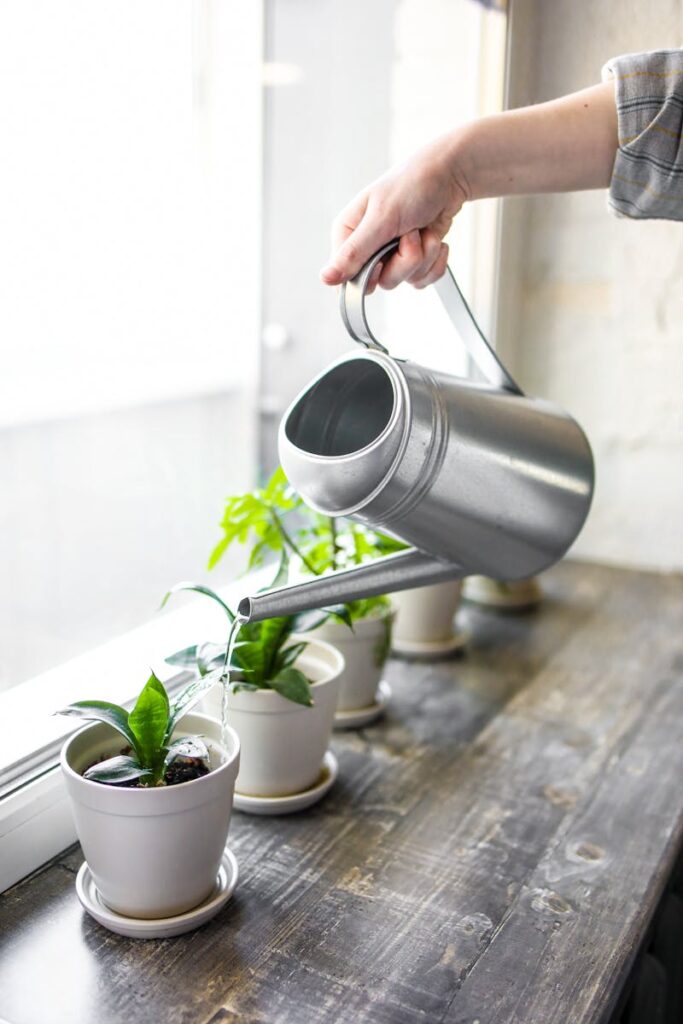
Here’s the thing most people get wrong: overwatering doesn’t mean too much water at once—it means watering too often. Keep potting soil moist but not soggy, and always use pots with drainage holes at the bottom. When water has nowhere to escape, it pools around roots and suffocates them.
In Dubai’s AC-controlled spaces, the top layer of soil dries out fast while deeper soil stays damp for days. So the surface looks dry, you water again, and suddenly roots are sitting in a swamp.
Signs your plant needs water now
- Leaves look slightly wilted or droopy
- Soil pulls away from pot edges
- Pot feels light when you lift it
- Top 50% of soil feels dry when you stick your finger in
Signs you’re overwatering
- ❌ Lower leaves turn yellow and drop first
- ❌ Stems feel soft or mushy near the base
- ❌ Tiny flies (fungus gnats) hover around the soil
- ❌ Soil stays wet longer than 5–7 days
Overwatering is the #1 killer of houseplants in homes and offices, with 54% of plant deaths attributed to this mistake. The combination of reduced light and dry AC air tricks owners into watering when plants aren’t actually thirsty.
Watering frequency by plant type
| Plant Type | Water When | Signs of Thirst |
|---|---|---|
| Tropical (Pothos, Philodendron) | Top 25–50% soil dry | Slight wilting |
| Succulents & Cacti | Soil completely dry | Wrinkled leaves |
| Foliage plants (Dracaena, Ficus) | Top 50% soil dry | Drooping leaves |
| Peace Lily | Top inch dry | Dramatic drooping |
Best watering techniques for houseplants
- Bottom watering: Place the pot in a tray of water for 20–30 minutes, then let it drain completely—roots grow downward toward the moisture
- Room-temperature water: Cold water shocks tropical roots, so let tap water sit for an hour first
- The finger test: Push your finger 2 inches into the soil—if it feels dry at that depth, water thoroughly
- Drain the excess: Empty saucers 30 minutes after watering to prevent standing water
🟡 5 Indoor Plant Maintenance Mistakes That Kill Houseplants
Even experienced plant owners fall into these traps. Catching them early saves plants and money.
1. Drowning plants with too much water
Worth repeating: water based on soil moisture, not a calendar. A plant that needed water every 5 days in summer might only need it every 12–15 days when light levels drop.
2. Starving plants of proper light
“Low light tolerant” doesn’t mean “no light.” Plants in dark corners slowly decline because they can’t photosynthesize enough energy to stay alive. Even shade-loving varieties need some natural light.
3. Using the wrong soil or pot
Regular garden soil compacts indoors and chokes roots. Pots without drainage holes trap water at the bottom. The fix is simple: well-draining potting mix and containers with holes.
4. Skipping weekly plant inspections
A quick 30-second check of leaves, stems, and soil catches problems before they become emergencies. Pests, disease, and stress are all easier to fix when spotted early.
5. Ignoring humidity in AC environments
Dubai’s air conditioning pulls moisture from indoor air, often dropping humidity to 30–35%. Most tropical houseplants prefer 40–60%, as recommended by ASHRAE for optimal plant health. Without extra humidity, leaf tips brown and edges yellow—even when watering is perfect.
Light Requirements for Healthy Indoor House Plants
Light is food for plants. Without enough of it, even perfectly watered plants slowly starve. The key is matching plants to spots where they’ll actually thrive.
Low light houseplants
Low light tolerant plants handle dim rooms but still need some natural light—not complete darkness:
- Snake Plant (Sansevieria)
- ZZ Plant
- Pothos
- Cast Iron Plant
Place them within 3–4 meters of a window, or in rooms with consistent ambient light throughout the day.
Medium light houseplants
Medium light plants do well in bright rooms without direct sun hitting their leaves:
- Spider Plant
- Philodendron
- Peace Lily
- Chinese Evergreen
A spot near a north-facing window or a few meters back from an east-facing window works well.
Bright indirect light houseplants
Bright indirect light plants want lots of light but burn in harsh direct rays:
- Fiddle Leaf Fig
- Monstera
- Bird of Paradise
- Rubber Plant
Position them 1–2 meters from south or west-facing windows. Sheer curtains help filter intense afternoon sun.
How to test light levels in your home or office
Try the shadow test: hold your hand 30cm above a surface during midday. A sharp, defined shadow means bright light. A faint, fuzzy shadow indicates low light. No shadow at all? That spot is too dark for most plants.
Soil and Pot Selection for Long-Term Plant Health
The right soil and container set the foundation for everything else. Get them wrong, and even perfect watering won’t help.
Why drainage matters more than pot style
Drainage holes prevent water from pooling where roots sit. If you love a decorative pot without holes, use a nursery pot inside it—lift it out to water, let it drain, then return it to the decorative cover.
Best soil mix by houseplant type
- Tropical plants: Standard potting mix with added perlite for drainage
- Succulents and cacti: Fast-draining sandy mix or cactus-specific soil
- Aroids (Monstera, Philodendron): Chunky mix with bark, perlite, and some peat
How to choose the right pot size
When repotting, go up only one size—typically 2–5cm larger in diameter. Pots that are too large hold excess moisture around roots, which dramatically increases rot risk.
When and How to Repot Indoor Plants
Repotting refreshes soil nutrients and gives roots room to grow. Sometimes plants just need fresh soil in the same pot rather than a bigger container.
Signs your plant needs repotting
- ✔ Roots growing through drainage holes
- ✔ Water runs straight through without absorbing
- ✔ Plant becomes top-heavy and tips over
- ✔ Growth has stalled despite good care
Step 1: Select a pot one size larger
Only increase diameter by 2–5cm. Bigger isn’t better—excess soil stays wet and causes problems.
Step 2: Prepare fresh potting mix
Old soil loses structure and nutrients over time. Use the appropriate mix for your plant type.
Step 3: Gently remove and inspect roots
Loosen the root ball carefully. Trim any brown, mushy, or circling roots with clean scissors. A “root-bound” plant has roots wrapped so tightly around themselves that they have nowhere left to grow.
Step 4: Position plant and fill gaps
Plant at the same depth as before—burying stems causes rot. Water thoroughly afterward to settle soil around roots.
Fertilizing Houseplants for Stronger Growth
Fertilizer is plant food, not medicine. It supports healthy plants but won’t rescue sick ones. Think of it like vitamins rather than antibiotics.
Types of fertilizer for indoor plants
- Liquid fertilizer: Fast-acting and easy to control, applied during watering
- Slow-release granules: Feeds gradually over months with less frequent application
- Organic options: Gentler on roots and improves soil health over time
Seasonal fertilizing schedule
Feed during active growth (spring and summer) every 2–4 weeks with diluted liquid fertilizer. Reduce to monthly or stop entirely during fall and winter when growth naturally slows.
Signs of over-fertilization
- ❌ Brown, crispy leaf edges (fertilizer burn)
- ❌ White crusty buildup on soil surface
- ❌ Stunted growth despite regular feeding
Less is always safer than more. When in doubt, dilute fertilizer to half the recommended strength.
Pest Prevention and Treatment for Houseplants
Pests happen to everyone. The key is catching infestations early before they spread.
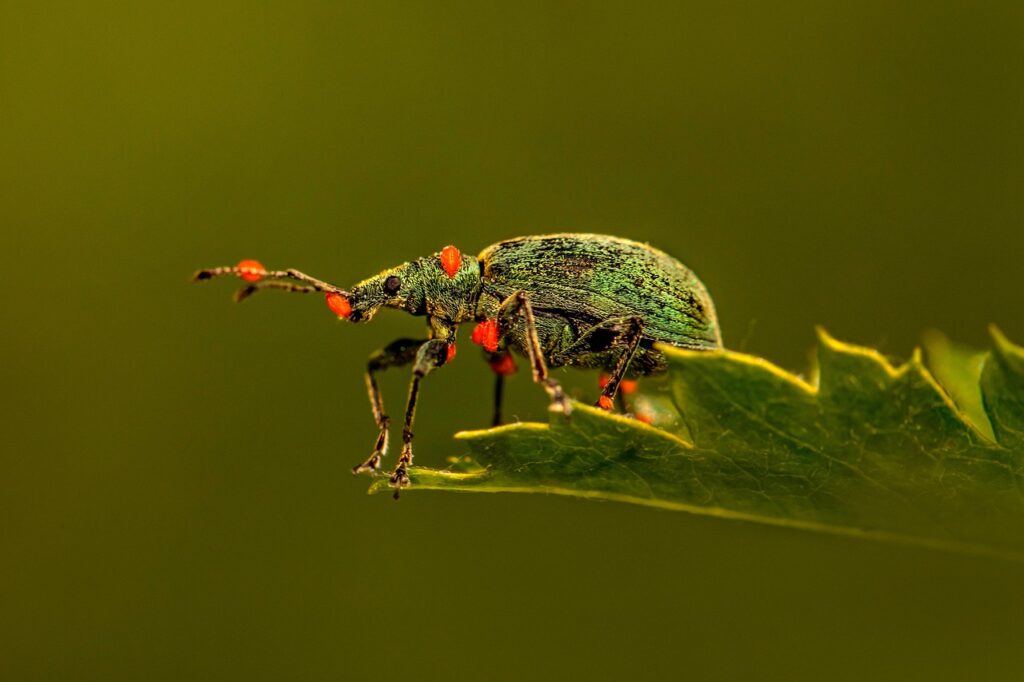
Common Indoor Plant Pests in Dubai
Dubai’s warm temperatures and AC-controlled interiors create ideal conditions for certain indoor plant pests. Early identification makes treatment easier and prevents spread.
- Spider mites Tiny speck-like insects that live on the undersides of leaves, often leaving fine webbing. They thrive in dry indoor air and cause leaves to look dusty, pale, or stippled over time.
- Mealybugs White, cotton-like clusters that hide in leaf joints and along stems. They feed on plant sap, slowing growth and causing leaves to yellow or drop.
- Fungus gnats Small black flies that hover around soil, especially after watering. They usually indicate overly moist soil and can damage roots if left untreated.
- Scale insects Hard, brown bumps attached to stems or leaves that don’t move or brush off easily. They weaken plants gradually by continuously draining nutrients.
Early Warning Signs of Indoor Plant Pest Infestation
Catching pests early prevents leaf damage, growth loss, and spread to nearby plants. Watch for these common warning signs:
- Tiny flying insects when you water Usually fungus gnats, attracted to consistently moist soil rather than the plant itself.
- Sticky residue on leaves or nearby surfaces Often caused by sap-feeding pests like mealybugs or scale, leaving behind a sugary substance called honeydew.
- Fine webbing between stems and leaves A classic sign of spider mites, especially common in dry, air-conditioned indoor spaces.
- White cottony spots in leaf crevices Indicates mealybugs hiding in protected areas where they feed on plant tissue.
Eco-Friendly Pest Treatment Methods for Indoor Plants
Safe treatments are especially important in homes, offices, and shared indoor spaces. These methods control pests effectively without harming people, pets, or plants.
- Neem oil spray
Disrupts pest feeding and reproduction while remaining safe for indoor use when applied correctly. Effective against spider mites, mealybugs, and scale. - Insecticidal soap
Works on contact by breaking down the outer layer of soft-bodied insects such as aphids and mites. Best used during early infestations. - Alcohol wipes
A targeted solution for visible mealybugs. Dabbing affected areas with diluted rubbing alcohol removes pests without spraying the entire plant.
GreenOaks uses only non-toxic, pet-safe products for all indoor plant pest treatments, making them suitable for homes with children and high-traffic commercial spaces.
When to isolate infected plants
Quarantine immediately when you spot any pest. Move the affected plant to a separate room and treat it there until you’ve seen no signs of pests for at least two weeks.
Humidity and Temperature Tips for Indoor Plants
Dubai’s climate creates unique challenges—especially the constant air conditioning that keeps us comfortable but stresses tropical plants.
Ideal humidity levels for houseplants
Most tropical houseplants prefer 40–60% humidity. Dubai indoor environments often drop to 30–35%, particularly when AC runs constantly.
How air conditioning affects plant health
AC removes moisture from the air while creating cold drafts. Plants positioned near vents develop brown leaf tips and edges even when watering is correct. Keep plants at least 2 meters from direct airflow.
Simple ways to increase indoor humidity
- Group plants together: They create a humid microclimate through transpiration, with studies showing humidity can increase from 29% to 49% when multiple plants are grouped.
- Pebble trays: Fill a tray with pebbles and water, then place the pot on top (not sitting in the water)
- Humidifier: The most effective solution for very dry rooms
Easy-Care Houseplants for Beginners and Busy Schedules
Not everyone has time for high-maintenance plants. These varieties forgive occasional neglect and handle typical Dubai indoor conditions:
- Pothos: Tolerates low light and tells you when it’s thirsty by drooping
- Snake Plant: Goes weeks between watering and handles low humidity
- ZZ Plant: Nearly indestructible, stores water in thick rhizomes
- Spider Plant: Adapts to various light levels and produces baby plants
- Peace Lily: Dramatic wilting signals thirst, then recovers quickly after watering
Quick Reference Table for Indoor Plant Care
| Plant | Light Level | Water Frequency | Humidity | Common Issues |
|---|---|---|---|---|
| Pothos | Low to bright indirect | Every 7–14 days | Moderate | Yellow leaves from overwatering |
| Snake Plant | Low to bright | Every 14–21 days | Low | Root rot from wet soil |
| Monstera | Bright indirect | Every 7–10 days | High | Brown tips from dry air |
| Peace Lily | Low to medium | Every 5–7 days | High | Drooping when thirsty |
| Fiddle Leaf Fig | Bright indirect | Every 7–10 days | Moderate | Leaf drop from inconsistency |
🟢 When to Hire Professional Indoor Plant Maintenance in Dubai
DIY care works well for a few plants. But some situations call for expert help:
- Large collections in offices or commercial spaces where consistent care is difficult to maintain
- Recurring pest problems that home treatments can’t eliminate
- Busy schedules that prevent regular watering and inspection
- Plants that keep dying despite following care guides
GreenOaks provides trained horticulturists who diagnose problems early, apply expert treatments, and maintain consistent care schedules across Dubai. Our customized maintenance plans use eco-friendly, pet-safe products—ideal for homes with children or high-traffic commercial spaces.
FAQs About Taking Care of Indoor Plants
Should I cut brown tips off my houseplant leaves?
Yes, trimming brown tips with clean scissors improves appearance. But identify the cause first—usually low humidity or inconsistent watering—to prevent new browning.
How long do houseplants typically live with proper care?
Most common houseplants live for years, and many survive decades. Consistent watering, appropriate light, and regular maintenance make the difference between plants that survive and plants that thrive.
Can indoor plants survive on artificial light alone?
Some low-light tolerant plants like Pothos and Snake Plants can manage under bright artificial lighting. Most houseplants, though, grow best with at least some natural light.
How do I keep my indoor plants healthy while traveling?
Water thoroughly before leaving and move plants away from direct sun to slow moisture loss. For trips longer than a week, ask someone to check them or use self-watering solutions.
What is the difference between professional plant maintenance and DIY care?
Professional services provide trained horticulturists who spot problems early, apply expert treatments, and maintain consistent schedules. This approach works especially well for busy homeowners or businesses managing multiple plants.